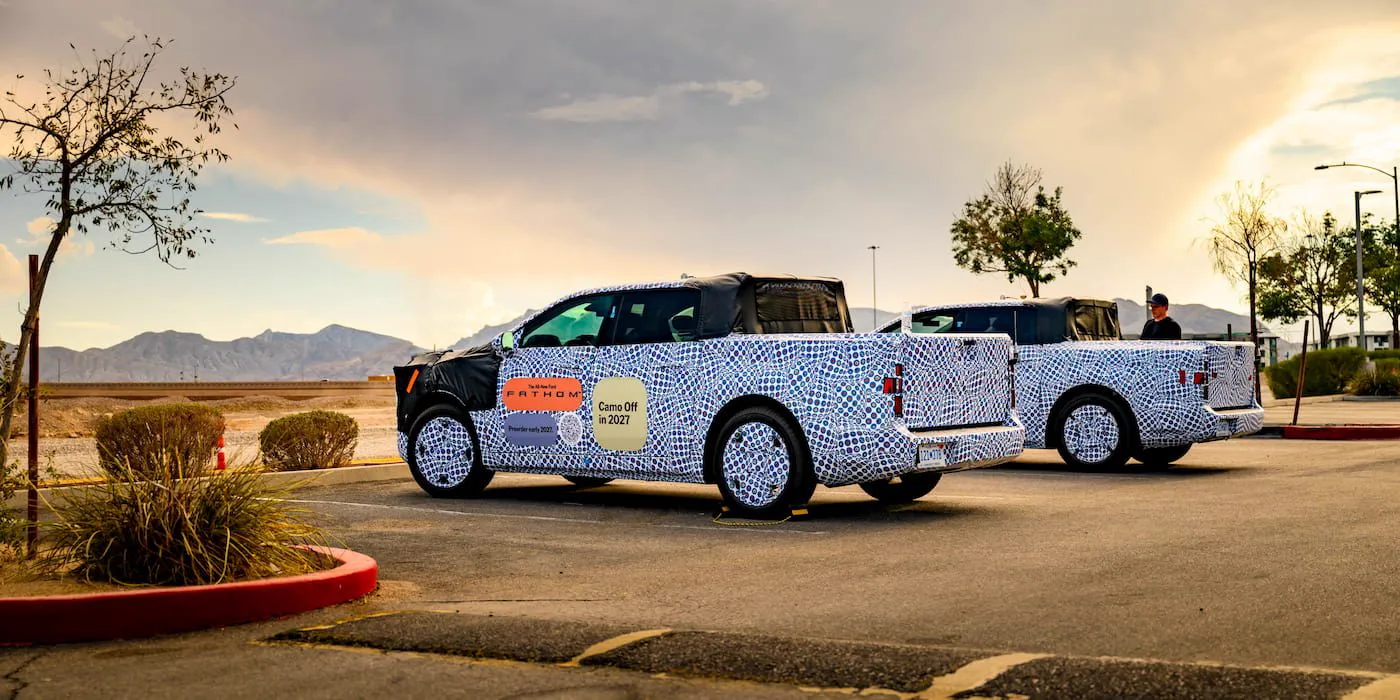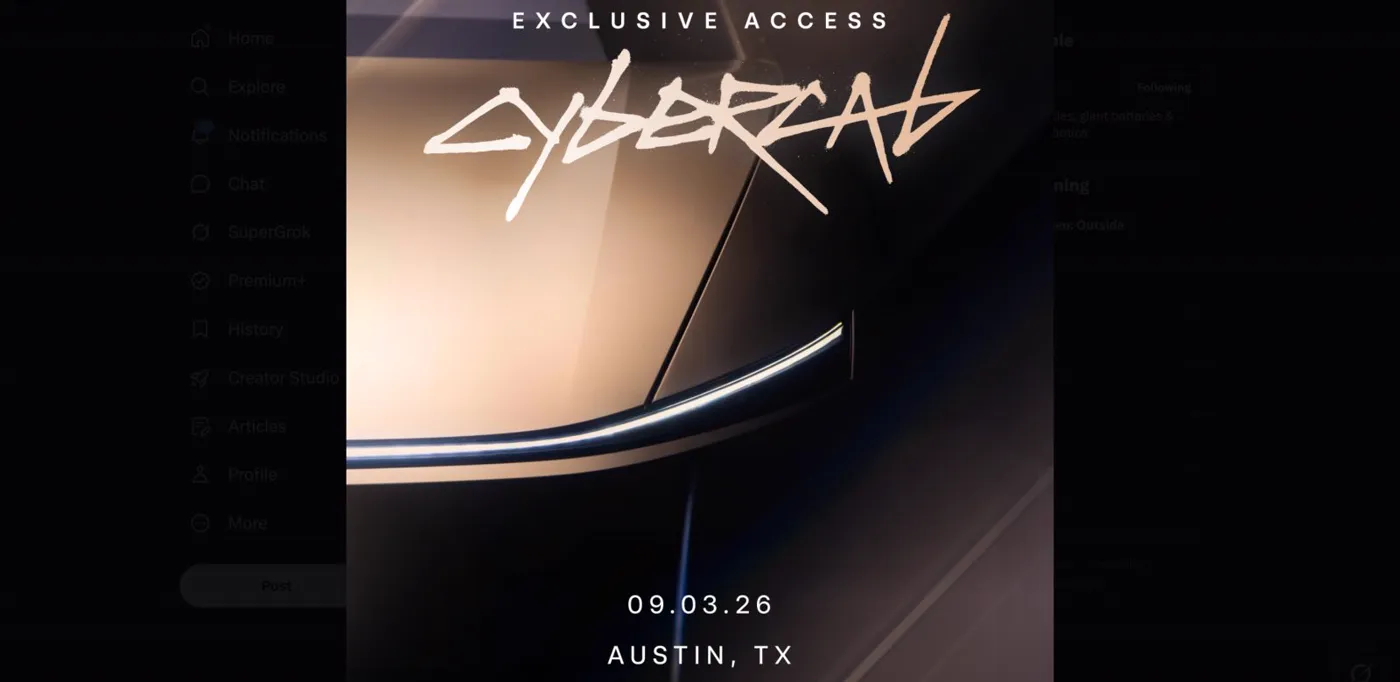
Tesla held an invite-only "Exclusive Access: Cybercab" launch event in Austin on September 3, streamed for everyone else, and by September 4 the purpose-built robotaxi was picking up public riders in a limited part of the city. The Cybercab does not get its own app; it appears in Tesla's existing Robotaxi service alongside driverless Model Ys and runs the same autonomy software stack.
What the Cybercab is
The vehicle is a two-seater with no steering wheel or pedals, built on Tesla's AI4 computer. It weighs 3,113 pounds, carries a 48 kWh battery and is rated at roughly 165 Wh per mile, which makes it unusually efficient. The trade-off is space: the Model Y it supplements seats five and has room for luggage, strollers and wheelchairs. Production began at Gigafactory Texas in the first half of the year, and 45 Cybercabs were registered in Texas as of September 2.
Nevada opens the door
On August 20 the Nevada Transportation Authority unanimously approved commercial robotaxi permits for Tesla, Waymo and Uber in Clark County, home to Las Vegas. Tesla's permit allows up to 5,000 vehicles in the first 12 months, versus 1,000 each for Waymo and Uber. Tesla told regulators it will start with Model Ys, phase in the Cybercab, and will not deploy the full 5,000 at once.
The scale problem
The ambition and the reality are still far apart. After more than a year of driverless operations in parts of Austin, Dallas, Houston, Miami, Orlando and Tampa, estimates put Tesla's unsupervised fleet at roughly 20 to 30 cars running at any given time, with about 380,000 cumulative unsupervised miles. Waymo operates about 3,000 driverless vehicles, completes more than 500,000 paid trips a week and has logged over 220 million rider-only miles. The Cybercab is Tesla's bet that a cheaper, purpose-built car closes that gap faster than adding Model Ys.
Source: Electrek, TechCrunch
Photo: Electrek (source)